Closing competence gaps at sea: Key discussions from INTERTANKO's European Panel
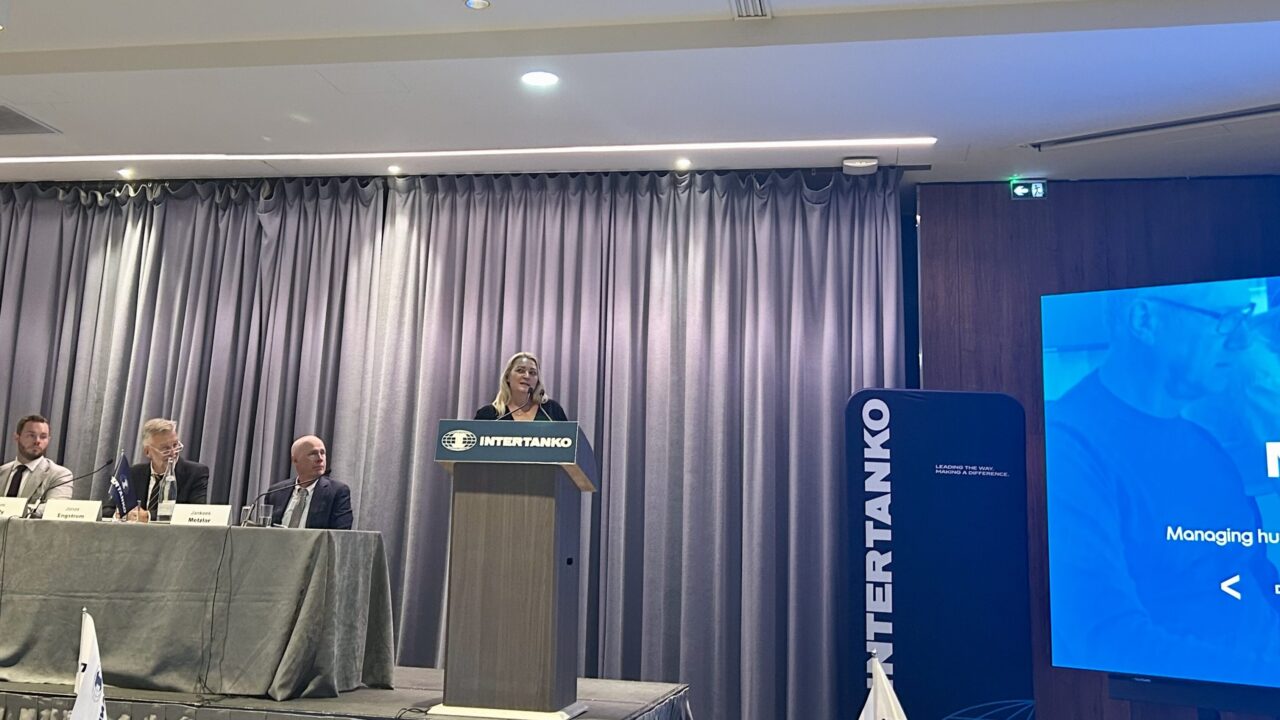
Ensuring crews can apply their knowledge when it matters most was a central theme at INTERTANKO's European Panel meeting in Paris on 7 October, where the panel discussed inspection readiness, crew welfare and practical skills development.
Held at Le Méridien, the meeting brought together members to exchange views on challenges facing tanker shipping and contribute to the Association's regional priorities.
Erle Kristin Wagle, Director, Maritime Strategy and Business Development at Mintra and representative on INTERTANKO's Associate Members Committee, was invited to speak on Managing Humans at Sea and Closing the Competence Gaps. Her contribution focused on how training, practical experience, and investment in people can help shipowners and managers address some of the industry's challenges.
Erle Kristin Wagle, Director, Maritime Strategy & Business DevelopmentTraining and technology play an important role, but they are only part of the solution. "

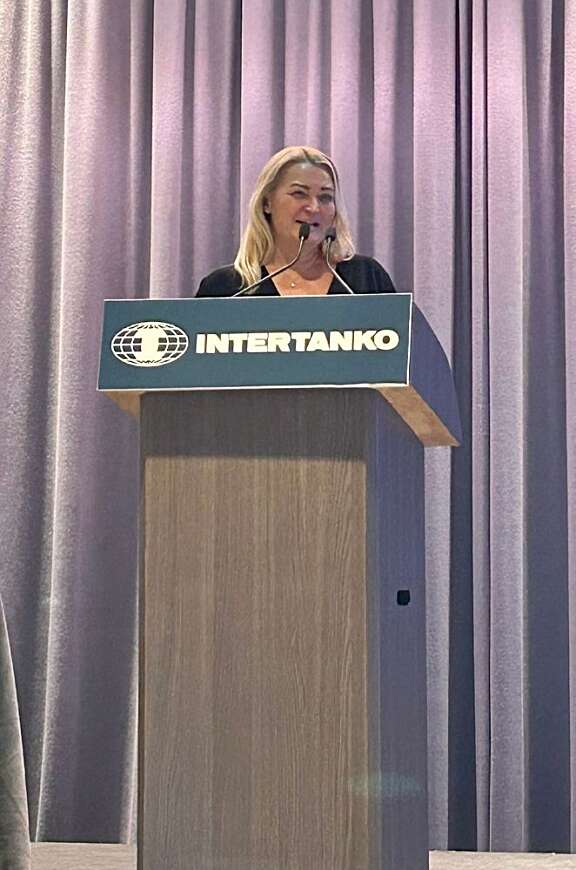
Erle said: "It was a valuable opportunity to exchange views with INTERTANKO members and hear first-hand about the challenges tanker operators are facing. Training and technology play an important role, but they are only part of the solution. Shipowners and managers must also turn their commitments into action, ensuring crew welfare and competence are reflected in how people are supported, trained and managed every day."
Preparing crews for SIRE 2.0 inspections
With SIRE 2.0 placing greater emphasis on operational practices and the human element, crews need to be able to demonstrate their knowledge and competence during inspections.
While training cannot guarantee inspection outcomes, it can help seafarers build the understanding and confidence to explain their responsibilities and demonstrate safe working practices.
Erle highlighted that Mintra has selected 45 courses to help crew and shore staff prepare for SIRE 2.0 inspections. Aligned with key Vessel Inspection Questionnaire (VIQ) themes, the courses cover safety procedures, environmental protection, navigation, maintenance practices and the human element.
Putting crew welfare into practice
Crew welfare remains a significant concern, particularly as geopolitical tensions expose seafarers to greater risks and uncertainty.
While welfare is high on the industry's agenda, commitments must be backed by meaningful action. Shipowners and managers need to ensure their people have the skills, resources and preparation to manage the demands of working at sea.
Technical expertise alone is not enough. Strong leadership, effective communication, mental health awareness, stress management and resilience all play an important part in helping crews navigate difficult situations.
Investing in these skills can help seafarers feel safer, better prepared and more confident in their ability to respond when challenges arise.
Learning through practical experience
Interactive and immersive learning, including simulator exercises and gamified training, can play an important role in helping seafarers develop practical skills.
These approaches let crews practise responding to challenging or unexpected situations in a safe environment, where they can make decisions, see the consequences of their actions, and learn from the experience.
Rather than simply reading or listening to instructions, learners become actively involved in applying their knowledge. This can reinforce learning and improve their ability to recall and apply what they have learned in similar onboard situations.
For safety-critical industries, the opportunity to practise before encountering a situation in real life is particularly valuable.
Supporting the future maritime workforce
Developing a skilled and adaptable maritime workforce also requires continued investment in professional development.
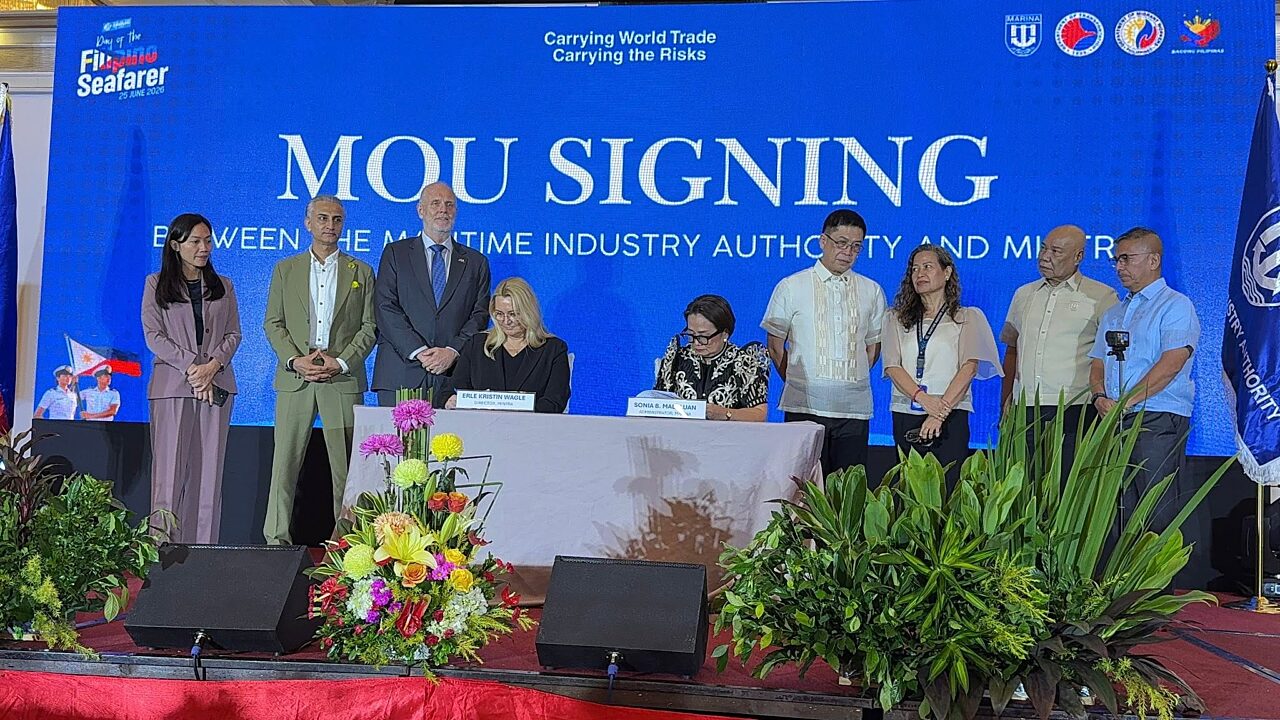
As an example of partners who wants to work with us, Erle highlighted Mintra's Memorandum of Understanding (MOU) with the Maritime Industry Authority of the Philippines (MARINA), which was signed on the day of the seafarer 25 June 2026
The collaboration aims to strengthen the Philippine maritime workforce through upskilling and reskilling initiatives, digital learning technologies and innovation in maritime education and training.
With Filipino seafarers playing an important role across the global shipping industry, the partnership could benefit INTERTANKO members who employ Filipino crew by improving access to relevant learning and opportunities for professional growth.
Turning competence into operational readiness
For tanker operators, closing competence gaps is about more than completing training. It means ensuring seafarers have the knowledge, confidence and judgement to respond effectively to the situations they face onboard. That requires continued investment in people, relevant learning and a genuine commitment to crew welfare.
Insights & News